Keep Your Kitchen Safe and Fines Away This Summer
Oil waste removal is one of those back-of-house jobs that rarely gets attention until something goes wrong. In Los Angeles, where restaurant patios are packed and fryers run longer hours, how you handle used oil can make or break a health or plumbing inspection. Good habits keep your kitchen safer, your drains clear, and your record clean.
When oil waste is handled the wrong way, it does not just make a mess. It can start fires, clog pipes, attract pests, and trigger fines from inspectors. This summer, with more cooking and more eyes on your operation, it pays to understand the rules and build a simple routine. We want to walk through what counts as oil waste, which rules matter for LA restaurants, and how a solid partner can take the stress out of staying compliant.
What Counts as Oil Waste in a Commercial Kitchen
Oil waste is more than the oil you drain from the fryer. In a busy commercial kitchen, several different materials fall under that label.
Common types of oil waste include:
- Used cooking oil from fryers, grills, and flat tops
- Grease trap or interceptor contents from under-sink or in-ground units
- Greasy residues and scrapings collected during dishwashing and cleaning
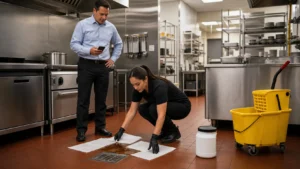
- Oily mop water or rinse water that carries fats and grease
Used cooking oil that is relatively clean, with normal food particles, can usually be collected and recycled by a professional hauler. That oil goes into a secure container, then off-site for proper processing. On the other hand, heavy sludge from grease traps or interceptors is a different story. It often contains food solids, water, and other waste that require special handling and proper disposal.
Some common mistakes in the back of house include:
- Tossing food scraps, plastic gloves, or trash into the used oil bin
- Pouring chemicals or cleaning products into oil containers
- Letting rainwater or hose water run into outside oil tanks
- Moving oil in open buckets that spill and contaminate the area
These habits can make the oil impossible to recycle and can break local disposal rules. Keeping oil waste as clean and separate as possible makes it safer to store, easier to pick up, and better for recycling.
Los Angeles Rules Every Restaurant Must Know
In Los Angeles, oil waste removal is more than a best practice; it is a requirement. Several agencies have a say in how restaurants manage grease and used oil.
Here are key rules every operator should keep in mind:
- Never pour oil or grease into sinks, floor drains, toilets, or mop sinks
- Never dump oil outside where it can reach storm drains, alleys, or parking lots
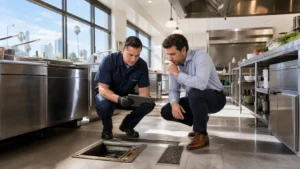
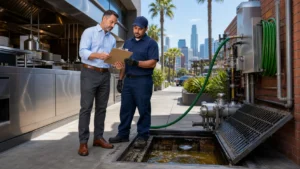
- Keep grease traps and interceptors in good working order with regular service
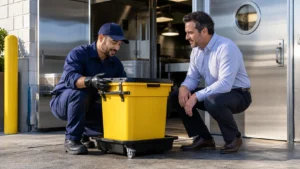
- Store used cooking oil only in secure, labeled containers
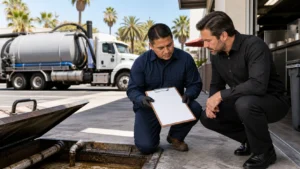
The City of Los Angeles Bureau of Sanitation focuses on what ends up in the sewer system. They watch for grease buildup that can cause blockages and overflows. The Los Angeles County Department of Public Health looks at your overall sanitation practices, including how you store and handle oil waste inside and outside the kitchen. At the state level, used cooking oil transporters must meet certain rules when collecting and hauling that oil.
When the rules are not followed, the results can be painful. A single discharge of grease into a drain can lead to:
- Citations during health or sanitation inspections
- Fines and required emergency cleanups
- Temporary closures if the sewer line backs up or odors get out of control
Summer is a busy time for inspections and also a time when sewer issues can be worse. Warm weather and heavy use mean small problems can grow fast.
Building a Compliant Oil Waste Removal Routine
The easiest way to stay on the right side of the rules is to build a steady routine that fits your kitchen. High-volume frying, long hours, and busy weekend service all mean you need more frequent oil waste removal and grease service.
When planning your schedule, think about:
- How many fryers you run and how often you change the oil
- Whether you serve a lot of fried or greasy menu items
- How quickly your grease trap or interceptor fills up
Inside the kitchen, good habits matter just as much as pickup timing. Train staff to let oil cool before handling it, then move it carefully to the correct storage container. Keep those containers closed, labeled, and placed in a secure, clean area. Service logs for used oil pickups and grease trap pumping are helpful during inspections. They show that you are paying attention and sticking to a routine.
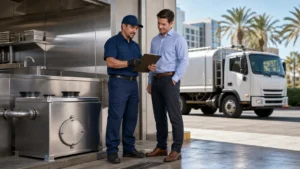
Working with a licensed hauler brings peace of mind. A reliable provider will:
- Set up regular pickups that match your volume
- Provide manifests or receipts that document each service
- Make sure your oil waste goes to proper recycling or disposal
This kind of partnership keeps your team focused on food and guests instead of paperwork and plumbing surprises.
Avoiding Plumbing Nightmares and Costly Downtime
Grease and oil are tough on plumbing. When they go down the wrong drain or when traps are ignored, they cool, harden, and stick to pipe walls. Over time, this builds into thick layers that narrow the pipe and eventually cause backups.
Some warning signs include:
- Slow-draining sinks and floor drains
- Gurgling noises from pipes
- Persistent foul odors near drains or restrooms
- Standing water in low spots or outside cleanouts
Regular grease trap and interceptor maintenance keeps grease out of your lines and out of the public sewer. That means fewer emergency calls, less surprise downtime during busy service, and more predictable maintenance plans. It also protects your kitchen from odors that can spread into the dining room, which is the last thing you want when you are full of summer guests.
Warm weather can make odors and blockages feel worse. As days get longer and patio traffic picks up, grease sitting in traps or lines can break down faster and smell stronger. Staying ahead with seasonal service helps keep your kitchen comfortable for staff and safe for guests and inspectors.
Choosing the Right Grease and Oil Service Partner
Not every oil waste removal company is the same. The right partner should understand local rules and the way Los Angeles restaurants actually work.
When you look for a provider, ask about:
- Licensing to haul used cooking oil and grease trap waste
- Proof of insurance and safe handling practices
- How they document pickups and services for your records
- Their experience with LA restaurant operations and inspections
A full-service provider makes life easier. When the same team can collect used cooking oil, pump grease traps, and help with kitchen plumbing issues, you get one plan and one point of contact. That helps keep your schedule consistent, your records organized, and your staff clear on who to call when something needs attention.
Ask potential vendors how often they recommend pickups for your type of menu, what happens if you need an extra service during a holiday rush, and how they handle recycling and disposal. Their answers will tell you a lot about how they will support your compliance and your kitchen’s long-term health. JR Grease Services focuses on grease management, used cooking oil collection, and kitchen plumbing for commercial kitchens across the Los Angeles area, so we see every side of these needs every day.
Protect Your Kitchen And Streamline Oil Waste Removal
If you are ready to simplify your used cooking oil management, JR Grease Services is here to help with dependable oil waste removal tailored to your operation. We work around your schedule so your kitchen stays clean, compliant, and running smoothly. Reach out today to discuss your needs and set up a collection plan, or contact us with any questions about service in your area.