Commercial kitchens in Los Angeles run hard, day and night. When grease problems hit at the wrong time, they do not just make a mess; they stop service, scare guests, and catch the eye of health inspectors. Grease emergencies are real, and many plumbing contractors are not fully set up to handle what commercial kitchens actually face.
In this article, we will talk about what a grease emergency looks like, what it really costs, how prepared plumbing contractors are, and why pairing them with grease specialists creates a much stronger safety net. We will also walk through simple steps to build a season-proof plan before fall events and holiday catering put more pressure on your kitchen.
Why Los Angeles Kitchens Need Grease Emergency Plans
A grease emergency in a commercial kitchen is more than a slow drain. It can show up in several ways that quickly affect service and sanitation, including:
- Clogged floor drains and sinks that back up during a rush
- Sewer lines pushing wastewater back into prep or dish areas
- Standing water across the kitchen floor
- Strong, sour grease odors that spread to dining areas
- Health inspector concerns about sanitation and FOG control
Los Angeles restaurants, hotels, and institutional kitchens face extra risk because they often operate at high volume for long hours, many work inside older buildings with aging pipes and tight plumbing runs, and the city enforces strict local health and environmental rules around fats, oils, and grease.
All of this hits hardest from October through the holiday season when catering, football weekends, school events, and private parties pack the calendar. When a kitchen goes down for even a few hours on a Friday night or during a banquet, the impact is immediate:
- Lost revenue from canceled reservations or events
- Negative online reviews about service delays or bad smells
- Fines or warnings if backups lead to unsanitary conditions
Without a clear grease emergency plan, even a small clog can snowball into a full shutdown at the worst possible time.
What Grease Emergencies Really Cost Food Businesses
When grease problems explode, the direct costs show up fast. Kitchens often face:
- Emergency plumbing calls at peak rates
- Repairs to pipes, floor drains, and fixtures damaged by heavy blockages
- Professional cleaning and sanitizing of flooded areas
- Food loss if prep areas or coolers are contaminated
- Service interruptions while everything is cleaned and cleared
Then there are the hidden costs that stack up quietly, like staff overtime to clean, reset, and handle angry guests. There are also canceled events that hurt long-term relationships with clients, reputation damage when guests talk about bad smells or bathroom issues, and possible health department citations or temporary closures.
Recurring grease issues are where things really add up. If plumbing contractors only come in to snake the line when it is already clogged, the problem never truly goes away. Grease builds again in key areas such as horizontal runs under the kitchen floor, main lines that connect to the city system, and grease traps and interceptors that are overdue for service. Each emergency visit patches the symptom but not the cause, which means more calls, more risk, and more stress on your team.
How Prepared Are Local Plumbing Contractors for Grease Crises
Many plumbing contractors in Los Angeles are great at general plumbing, but commercial grease problems are a different animal. A typical response might be:
- Basic drain clearing with a cable snake
- Limited or no pumping of grease traps or interceptors
- Little coordination with used cooking oil collection or waste hauling
Those limits can create real gaps in capability. In many cases, there is no true 24/7 rapid response focused on commercial kitchens, limited experience with large in-ground or above-ground grease interceptors, and not enough knowledge of local FOG rules and what the city expects.
If a contractor does not understand grease behavior in high-volume kitchens, they might clear a blockage but leave thick layers of grease on pipe walls and inside traps. During fall and holiday seasons, that pattern often turns into a cycle of repeat problems:
- Repeat backups during football weekends and large parties
- Short but frequent shutdowns that confuse staff and upset guests
- Constant worry about surprise inspections when odors or slow drains keep coming back
Relying on underprepared plumbing support makes every busy weekend feel like a gamble.
Why Pairing Plumbing Contractors with Grease Specialists Works
The strongest setup is not plumbing or grease management alone; it is both working together. When plumbing contractors partner with a grease-focused company like ours, operators get a complete system rather than a series of one-time fixes.
A grease specialist can provide core services that general plumbing coverage often does not, including:
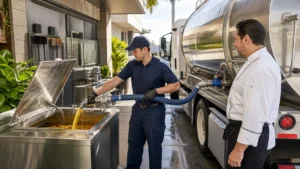
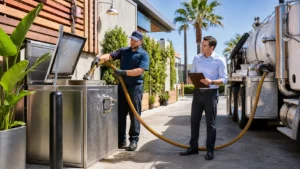
- Handle used cooking oil collection on a consistent schedule
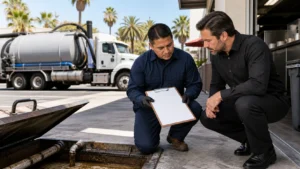
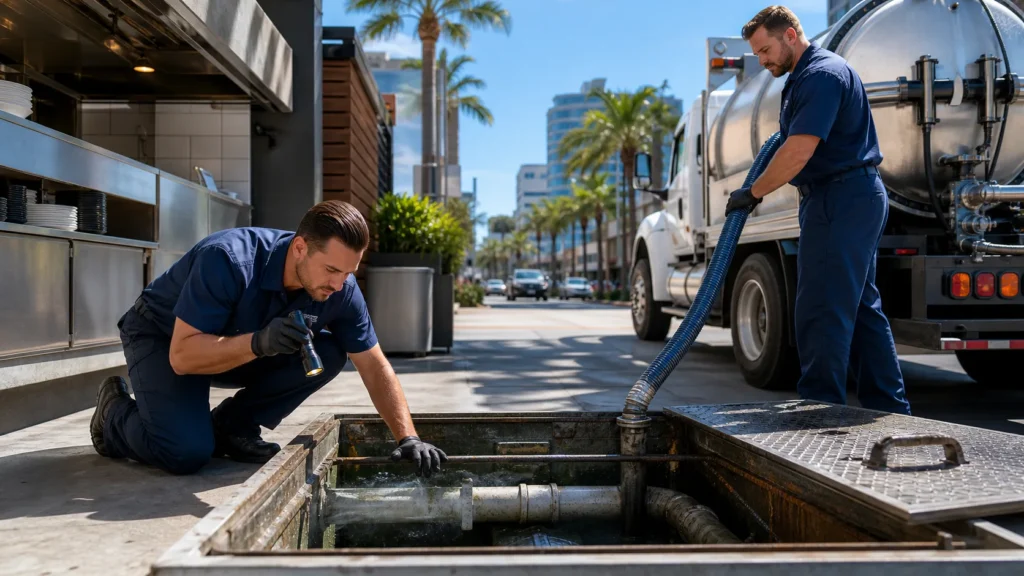
- Perform thorough grease trap and interceptor pumping and cleaning
- Support line jetting that clears grease from pipe walls, not just blockages
- Coordinate timing with plumbing contractors so service is smooth and efficient
This teamwork helps prevent emergencies before they start. In practice, it means lines can be jetted and traps serviced before the holiday rush, used cooking oil storage can be checked so spills and overflows are less likely, and records of service can be kept ready for inspectors and landlords.
Los Angeles operators also gain compliance support that helps reduce risk over time. A dedicated grease company can help with:
- Proper handling and recycling of used cooking oil
- Documentation that shows regular trap service and FOG control
- Guidance that general plumbing contractors may not fully cover
The result is a kitchen that runs cleaner, drains that perform better, and less risk when the calendar fills up.
Building a Season-Proof Grease Emergency Strategy
A good grease emergency strategy is simple, clear, and written down. Start by assessing your current risk:
- Review the last year of clogs, backups, and slow drains
- Note which fixtures cause trouble first, like mop sinks or prep sinks
- Check current grease trap and interceptor service schedules
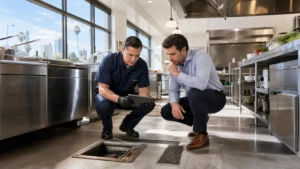
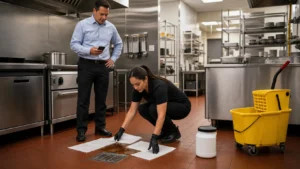
- Walk the kitchen to look for standing water, odors, or stained floors around drains
Next, create a basic emergency playbook so your team is not guessing under pressure. It should cover: who to call first for plumbing and who to call for grease services; how to safely shut down affected areas to protect staff and guests; and basic steps to keep people away from affected zones until help arrives.
Then, match preventive maintenance to your calendar, not just to failures:
- Increase grease trap and line service before October through January
- Plan used cooking oil pickups so storage never overflows during events
- Train staff on what must never go down the drain, like fryer oil, food scraps, and heavy sauces
When everyone knows the plan, even surprise problems feel more manageable.
Protect Your Kitchen Now Before the Next Rush Hits
Fall in Los Angeles brings steady business, packed weekends, and long prep lists. Grease emergencies do not need to be part of that schedule. Plumbing contractors play an important role, but they work best when backed by a grease management partner who understands commercial kitchens and FOG control.
At JR Grease Services, we focus on grease management, used cooking oil collection, and support for kitchen plumbing so operators can stay ready for the next rush instead of reacting to the last crisis. With the right mix of plumbing support, grease expertise, and simple planning, your kitchen can keep serving guests, protect its reputation, and stay in good standing with inspectors, even during the busiest months of the year.
Get Started With Your Project Today
If you are dealing with backups, slow drains, or grease buildup in your commercial kitchen, we are ready to help you fix it before it affects your business. At JR Grease Services, our experienced plumbing contractors focus on practical, long-term solutions that keep your kitchen running smoothly. Reach out to our team today through our contact page so we can review your needs and schedule service at a time that works for you.