Used cooking oil needs a plan, not a trip to the trash can or drain. For restaurant owners and kitchen managers, the right collection process can prevent messy spills, plumbing trouble, and wasted space in the back of house.
At JR Grease Services, we help food-service businesses handle used cooking oil responsibly throughout Los Angeles, Orange, San Bernardino, and San Diego counties. Below, we explain the difference between restaurant oil recycling and disposal, answer “where can I recycle cooking oil,” and share practical ways to keep pickup simple and dependable.
Make Used Cooking Oil a Safer Revenue Opportunity
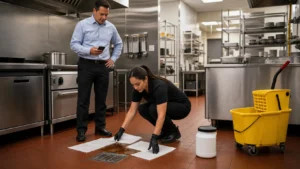
Fryer oil may look like a routine kitchen byproduct, but it should never go into a sink, floor drain, toilet, dumpster, or outdoor area. Oil can travel farther than expected, creating slippery surfaces, unpleasant odors, and drain problems that interrupt a busy shift.
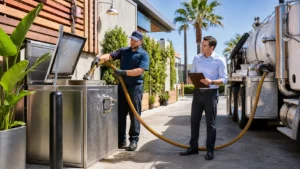
We recommend treating used cooking oil as a separate recoverable material. With professional collection, your kitchen has a clear place for oil after it has cooled and been transferred safely. That means less confusion for employees and a cleaner work area around fryers, prep stations, and waste storage.
For qualifying high-volume kitchens, used oil can also have financial value. Keeping it separate from trash, chemicals, and wastewater helps preserve it for collection rather than turning it into another costly mess to manage.
Recycling Protects Drains, Budgets, and the Environment
Pouring liquid oil down the drain may seem harmless in the moment, especially when the kitchen is moving fast. Yet oil can cool, thicken, and stick to the inside of plumbing lines. Once it mixes with food scraps and other waste, it can contribute to slow drains, backups, foul smells, and service calls nobody wants during lunch or dinner rush.
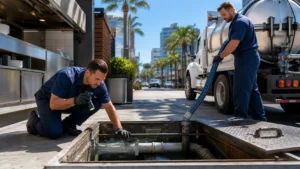
This is why oil collection and grease management belong together. We often see how a well-run used oil process supports cleaner grease traps and interceptors by keeping unnecessary grease out of plumbing in the first place. It does not replace regular grease trap or interceptor cleaning, but it helps your whole grease program stay more organized.
When people ask, “where can I recycle cooking oil,” the answer depends on the volume. Household drop-off programs may work for small amounts from home kitchens. Restaurant oil is different because commercial kitchens can create far more used oil than those programs are set up to handle.
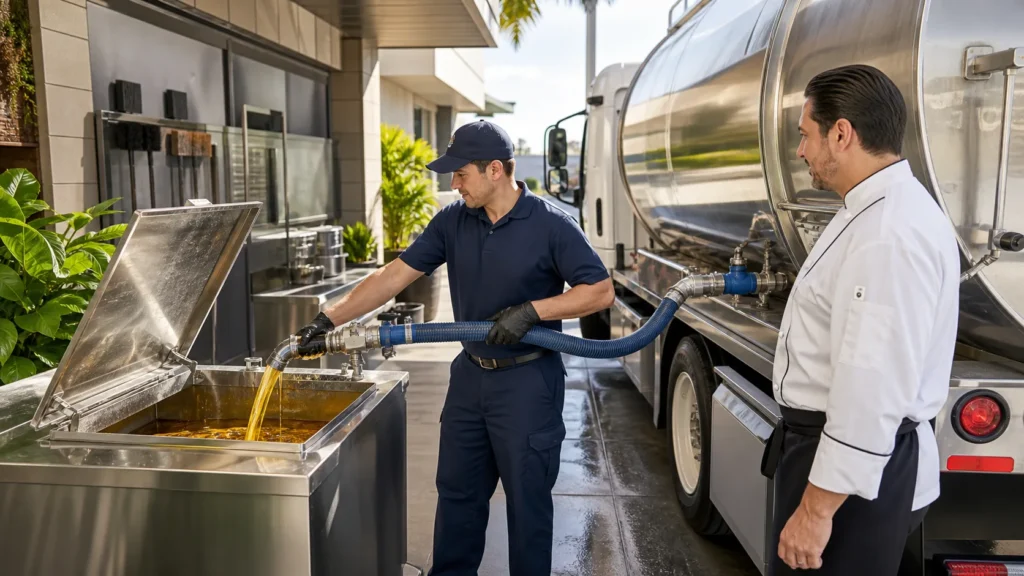
Professional recycling gives your kitchen a scheduled outlet for that volume. Collected fryer oil can be processed into useful products, including renewable fuels and industrial materials, instead of going into sewer systems or landfills. That is better for your operation and a more responsible use of a material your kitchen already produces.
Find a Reliable Restaurant Oil Recycling Partner
For commercial kitchens, the simplest answer to “where can I recycle cooking oil” is a professional used cooking oil collection company that serves your area. We recommend working with a provider that understands restaurant schedules, kitchen access, and the need for dependable pickup.
A good collection setup should include:
- Scheduled pickup that fits your kitchen’s oil volume
- Suitable storage containers with secure lids
- Clear guidance on keeping oil free of water, chemicals, and excess debris
- Responsive service when your volume or schedule changes
At JR Grease Services, we do not charge restaurants for used cooking oil collection. Customers who produce 100 gallons or more of used cooking oil per month may also qualify for a rebate. That gives high-volume kitchens another reason to keep recoverable oil separate from other waste.
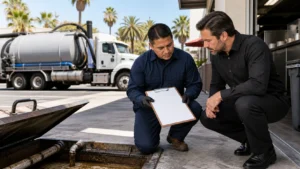
Reliability matters more than a one-size-fits-all schedule. We can help you coordinate oil collection with grease trap cleaning, interceptor service, plumbing support, and fat and bone collection when those services are needed. A coordinated plan reduces the number of loose ends your managers have to track.
Build a Collection System That Supports Compliance
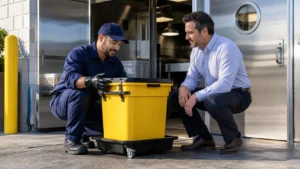
A dependable pickup service works best when the kitchen has a simple storage process behind it. After fryer oil has cooled appropriately, employees should transfer it carefully into the designated collection container. The lid should stay secured, and the container should be placed in an accessible but protected area.
Keep the oil container separate from trash, wastewater, cleaning supplies, and nonfood liquids. Mixing materials can create a harder cleanup, contaminate the oil, and make the collection area less safe for staff.
We encourage managers to put the process in writing so every shift follows the same steps. Your team should know which container holds used oil, how to avoid spills, and who needs to be told when the container is getting close to full.
A straightforward staff reminder can cover:
- Allowing oil to cool before transfer
- Using only the marked oil collection container
- Keeping the container lid closed after use
- Reporting spills or a full container right away
Collection records and clear communication also help. Let your provider know if your menu changes, fryer use increases, operating hours shift, or a holiday event may create more oil than usual. Those details help us keep pickup aligned with your actual needs.
Prepare for Holiday Frying Demand and Higher Oil Volumes
Fall brings holiday catering, Thanksgiving events, year-end parties, and other busy service periods. If fried items are a bigger part of your seasonal offerings, your used oil container can fill much faster than normal.
Before peak weeks begin, review your current pickup frequency. A plan that worked during a quieter month may not leave enough room when fryer use rises. We recommend sharing expected increases early so collection can stay predictable rather than becoming an emergency issue.
Take a quick look around the pickup area, too. Confirm that containers are in good condition, staff can access them safely, and the route for collection is clear. It is also a smart time to refresh employee training and inspect grease management equipment.
Planning ahead helps reduce the chance of overflowing containers, pest concerns, spills, and interruptions during some of your busiest weeks. A little coordination keeps the back of house calmer when the front of house is moving fast.
Put a Smarter Oil Collection Plan in Place
A better used cooking oil process starts with separation, safe storage, trained staff, and a collection schedule that matches your kitchen’s real volume. Recycling can protect plumbing, support a cleaner work area, and create added value for qualifying high-volume operations.
The practical takeaway is simple: keep used oil out of drains and regular trash, watch container capacity closely, and adjust your collection plan before busy periods arrive. That approach makes oil management one less thing for your team to worry about.
Reliable Collection That Can Benefit Your Bottom Line
If you’re asking where can I recycle cooking oil, our team can provide dependable used cooking oil collection at no charge to your restaurant. JR Grease Services helps keep pickup schedules aligned with your operation, and restaurants generating 100 gallons or more each month may qualify for a rebate. Contact us to discuss a collection plan that fits your volume and schedule.