Stop Invisible Fire Hazards Before Summer Heats Up
Restaurant hood cleaning in Los Angeles is one of those jobs that is easy to push off when things get busy. The food is moving, tickets are stacking up, and the hood looks fine from the outside. But as spring rolls into the long summer dining season, your grills, fryers, and ovens start working harder and longer. That is when small grease problems can quietly turn into big fire risks.
A dirty hood system does not just put your kitchen at risk. It also puts your team, your guests, and your hard-earned reputation on the line. Fire hazards often start in places you cannot see, and they grow faster when you are serving more covers, doing more late nights, or adding special events.
At JR Grease Services, we have focused on grease management and kitchen safety for a long time. We have seen how regular, professional hood cleaning can keep restaurants open, safe, and calm during the busiest times of the year. That experience shapes everything we are about to share.
What Really Builds up Inside Your Kitchen Hood
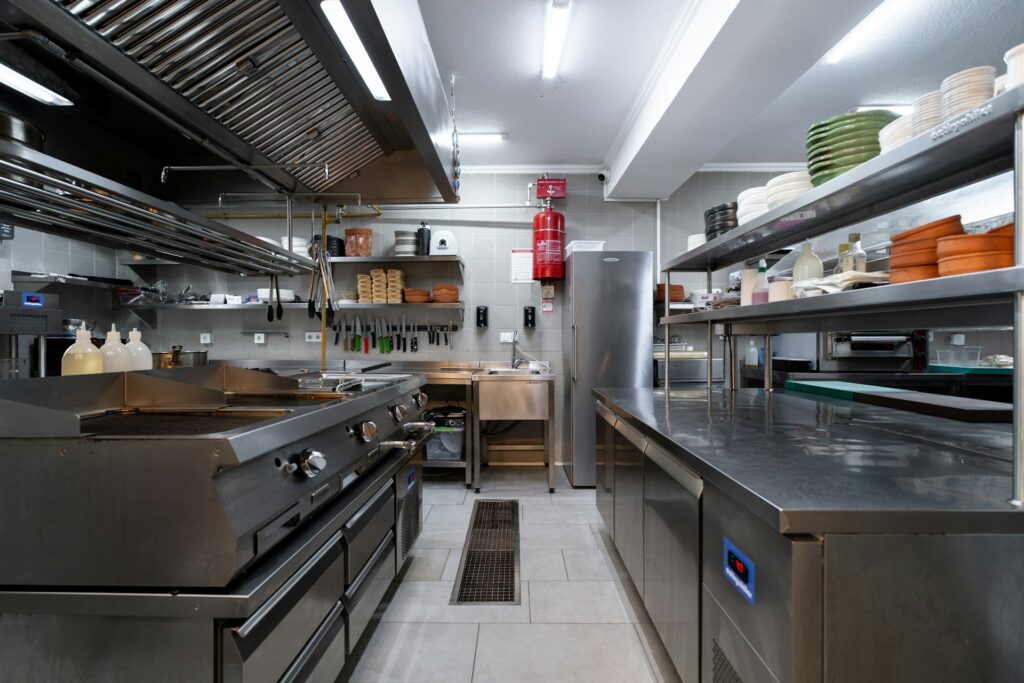
From the floor, your hood might look fine. The filters might get a quick wipe, and the stainless steel might shine. But deep inside the hood and ducts, something very different is going on.
Here is what builds up in your system over time:
- Grease vapors from fryers, grills, and flat tops that cool and stick to metal
- Smoke particles that cling to ducts and fan blades
- Dust and light food debris that mix with grease and form a sticky layer
- Residue that collects inside fan housings and on the roof around the fan
This buildup speeds up in high-volume kitchens, especially when:
- You run long hours or late nights
- You add summer specials, catering, or events
- Your ventilation runs almost nonstop
The worst part is that the most dangerous spots are the ones you rarely see. Inside ductwork, behind and above filters, around fans on the roof, and in tight turns of the duct are all common trouble areas. These zones can catch fire quickly if a flare-up or high heat event pushes flames or hot vapors into the system.
A quick wipe-down by staff is not the same as a full hood cleaning. Surface cleaning only hits what you can reach by hand. Professional hood cleaning means opening access panels, cleaning ducts from top-to-bottom, and removing the thick, flammable grease layers that normal cleaning will never touch.
Codes, Insurers, and Inspectors You Cannot Ignore
Restaurant hood cleaning in Los Angeles is not only about safety, but it is about staying compliant. Fire codes and health codes point back to standards like NFPA 96, which set rules for how kitchen ventilation systems should be cleaned and maintained.
In general, these rules look at:
- What kind of cooking you do
- How often you cook
- How much grease your equipment produces
Higher volume and heavier grease cooking usually means more frequent cleaning. When cleaning is not done on time, or not done by qualified professionals, it can lead to trouble with more than one group.
Inspectors may:
- Fail your inspection if they see heavy grease in ducts or hoods
- Flag missing access panels or poor cleaning records
- Order surprise shutdowns until cleaning is completed
Insurance carriers may:
- Ask for proof of hood cleaning and maintenance
- Question claims if there is a fire and no cleaning history
- Adjust coverage or terms based on how you manage fire risks
Landlords and property managers also pay attention to hood conditions. Bad inspection results or fire incidents can affect lease talks or trigger extra building reviews. Staying ahead with regular, documented hood cleaning is almost always cheaper and far less stressful than dealing with emergency service after a problem hits.
How Professional Hood Cleaning Protects Your Bottom Line
A clean hood system does more than pass inspection. It also helps your kitchen run better when business ramps up in late spring and summer.
Clean ventilation can:
- Improve airflow over hot equipment
- Help keep cooking lines a bit cooler and more comfortable
- Reduce strain on your HVAC system trying to fight cooking heat
- Cut down on smoke and lingering odors in the dining room
Staff feel the difference when the air moves well and heat is pulled out of the line. Guests notice fewer smells hanging around, especially in open kitchens or smaller dining spaces.
Professional hood cleaning also gives you clear proof of the work that was done. Helpful documentation often includes:
- Detailed service reports
- Before and after photos of ducts, fans, and hoods
- Marked access panels that inspectors can easily locate
This kind of record makes talks with inspectors, landlords, and insurers much smoother. Another smart move is working with one provider that handles more than just the hood. When used cooking oil collection, grease trap cleaning, and kitchen plumbing are on the same schedule, you limit downtime and cut the hassle of juggling multiple vendors and visits.
Choosing a Hood Cleaning Partner You Can Trust
Picking the right partner for restaurant hood cleaning in Los Angeles matters. You need someone who understands local rules and the way LA kitchens actually work.
Look for a hood cleaning provider that has:
- Experience with LA fire and health code requirements
- Proper licensing and insurance
- Training that follows NFPA 96 standards
- References from similar restaurant concepts
Timing is also key. Planning ahead can keep you from losing revenue or stressing over last-minute emergencies. Many owners find it helpful to schedule hood service:
- Before busy summer weekends
- Ahead of holiday periods or special events
- Before rolling out new menus or promotions
Another smart question to ask is how hood cleaning can be bundled with other grease services. When hood cleaning, used cooking oil collection, and grease trap pumping are planned together, your team deals with less interruption and billing becomes simpler.
We often suggest building a custom maintenance calendar that fits the way your kitchen runs. Your plan should reflect:
- Cooking volume and hours
- Concept style, such as fast casual, fine dining, or ghost kitchen
- Known seasonal spikes, like festival weekends or big local events
Lock in Safe, Compliant Hoods Before the Summer Rush
As you gear up for the busy months, this is a good time to check on your hood system. Think back to when your hood and ducts were last cleaned by a professional. Compare that date to the recommended schedule for your cooking style and fuel type. If you are pushing past those intervals, you might already be in the risk zone.
A seasonal hood and grease review can uncover hidden buildup, weak spots in your system, and code issues that could surprise you at the worst time. Pairing that review with a full grease management plan keeps your hood, used cooking oil handling, and grease traps working together, instead of each one becoming its own headache.
At JR Grease Services, we help Los Angeles restaurant owners create steady, reliable cleaning routines that support safety, compliance, and kitchen comfort. When your hood system is clean and documented, it is easier to focus on the food, your guests, and capturing those summer profits while your kitchen stays open and running smoothly.
Protect Your Kitchen, Staff, and Guests With Professional Hood Cleaning
A cleaner, safer kitchen starts with reliable restaurant hood cleaning in Los Angeles handled on your schedule and up to code. At JR Grease Services, we help reduce fire risks, improve airflow, and keep your operation inspection-ready year-round. If you are ready to book service or have questions about your system, contact us today so we can put together a plan that fits your restaurant’s needs.