Reclaim Valuable Kitchen Space with Smarter Oil Storage
A busy commercial kitchen has zero extra space. Every shelf, corner, and walkway needs to earn its keep, especially when summer crowds hit and tickets stack up fast. One of the easiest things to overlook is where and how you handle used cooking oil, but that oil waste container can steal more space and time than you think.
The wrong setup gets in the way, slows your staff, and creates safety problems. The right setup keeps oil under control, helps your team move faster, and supports health and environmental rules. In this article, we will walk through how smarter oil waste storage can free up room, protect your crew, and keep your kitchen ready for the summer rush and beyond.
How the Wrong Oil Waste Container Shrinks Your Kitchen
When an oil waste container is in the wrong spot or the wrong size, it quietly eats up your kitchen space. You may not notice it during slow times, but during a packed dinner or weekend brunch, it shows.
Common layout mistakes include:
- Parking a bulky tank right next to prep tables
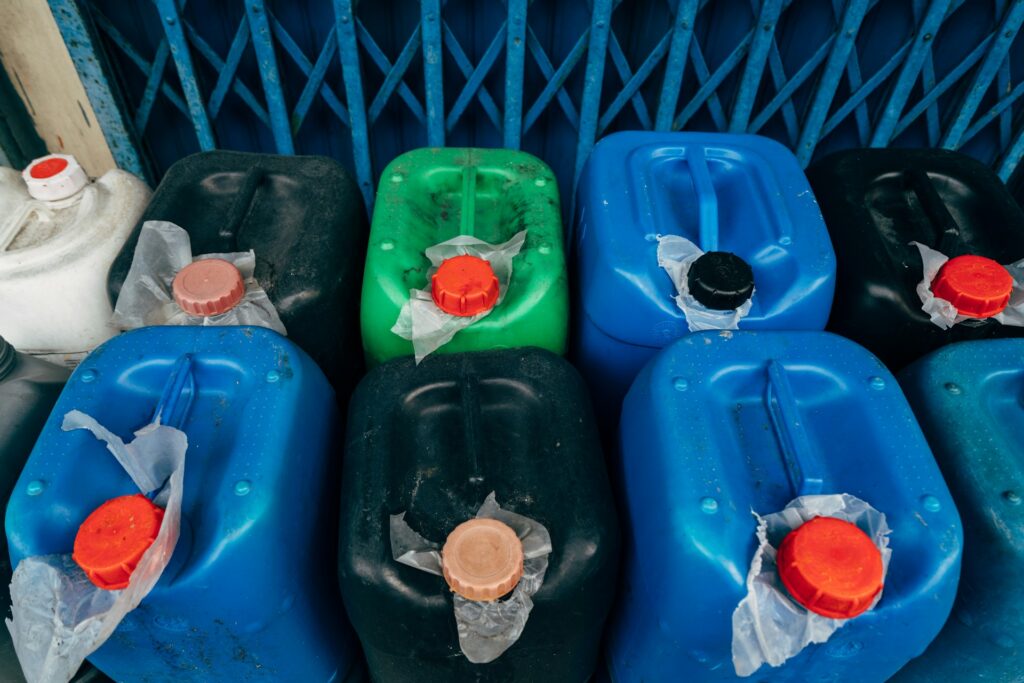
- Lining up multiple small containers along a wall
- Placing the container across a main path to the line or dish area
- Blocking access to storage, coolers, or back doors
Each of these choices cuts into your working footprint. Staff have to sidestep around containers, carry hot oil longer distances, or squeeze through tight gaps while holding heavy pots or fry baskets.
There is also the safety and compliance side. Messy or overflowing containers create:
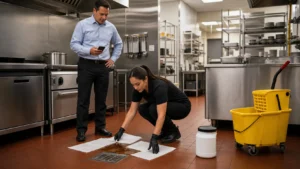
- Slip hazards from drips and spills
- Open oil that draws flies and other pests
- Greasy buildup that worries health inspectors or fire marshals
Warm weather and long days mean oil breaks down faster and smells stronger, so a poorly managed area becomes a problem spot very quickly.
Labor is another hidden cost. When oil waste is hard to reach or badly placed, your team wastes time:
- Waiting for a coworker to finish pouring oil
- Walking out of the way to reach a distant container
- Wiping up spills on the floor again and again
That all adds up over a busy summer week. Instead of focusing on cooking and service, your staff is working around an awkward container setup.
Choosing the Right Oil Waste Container for Your Operation
Picking the right oil waste container starts with knowing how much used oil you generate. Think about:
- Fryer size and how many fryers you run
- Menu mix, like how much fried food you sell
- Service volume on regular days and peak weekends
If the container is too small, you deal with frequent overflow, messy lids, and extra pickups. If it is too big, it sits half empty and eats up valuable space you could use for storage or work tables.
Next, decide on indoor, outdoor, or a mix of both. Each has pros and cons.
Indoor tanks can:
- Shorten the path from fryer to container
- Keep oil out of guest view
- Reduce exposure to sun and heat
Outdoor containers can:
- Free up back-of-house space
- Keep oil smells outside the main kitchen
- Tie in well with back door workflows and loading areas
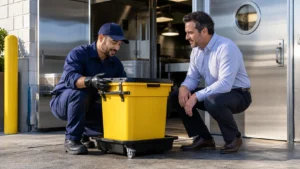
Some kitchens use a split system, with a smaller indoor setup that feeds or supports a larger outdoor container. Local codes, fire rules, and building layout all play a part, so this is an area where professional advice is very helpful.
Design features also matter. Space-saving containers might include:
- Slim-profile tanks that sit tight to a wall
- Low-profile units that fit under counters or in corners
- Wheeled systems that staff can move during cleaning or events
- Closed-top designs that limit odors and spills
When the container is matched to your volume and footprint, it stops being a problem and becomes part of a smooth system.
Smart Placement Strategies to Maximize Workflow
Space is not just about square feet; it is about the path your staff walks every day. Used cooking oil handling should fit that path, not fight it.
Start by mapping the route from each fryer to the oil waste container. The ideal route is:
- Short and direct
- Clear of sharp turns or tight doorways
- Away from guests and high-traffic pinch points
Make sure you are not blocking:
- Emergency exits
- Access to dish machines or pot sinks
- Main paths between the line and expo or pass
Think about how the container integrates with existing equipment. Many kitchens see good results when the container is near:
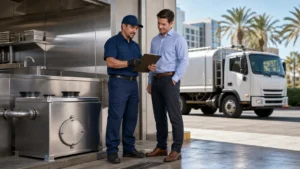
- Grease traps and plumbing access points
- Dish and pot wash areas where staff already handle wet floors
- Back doors where used oil collection happens out of sight
Summer adds another layer. Outdoor dining, catering jobs, and food trucks often change where and how much oil you use. You may need temporary adjustments, like:
- A satellite container closer to an outdoor fry station
- A different route when patio tables are packed
- Short-term shifts in pickup timing during big events
Planning for these busy periods keeps your team from dragging hot oil long distances through a maze of guests and servers.
Cleanliness, Odor Control, and Summer Pest Prevention
Warm weather and long hours mean oil odors and pests can get out of hand fast if your oil waste container area is not well managed. Good container design and service go a long way toward keeping things clean.
Sealed or closed-top containers help:
- Trap smells inside
- Prevent splashes when oil is poured
- Keep rainwater and debris out
Regular used cooking oil collection keeps levels under control so you are not stretching capacity. When pickups are consistent, you avoid last-minute scrambles and emergency cleanups.
Pest control is another reason to keep things tight. Oil drips and open lids can attract:
- Flies tracking grease into prep zones
- Rodents looking for food and shelter
- Other insects that thrive in damp, greasy corners
A clean, sealed container setup, backed by steady service, cuts down on these issues and keeps your back-of-house area more comfortable.
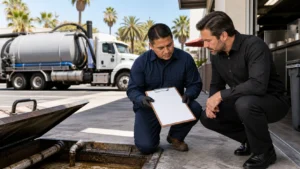
There is also a strong link between oil handling, grease traps, and plumbing. When used oil goes where it should, your grease traps work better, your pipes stay clearer, and you are less likely to deal with surprise clogs or backups during your busiest nights. That is why many kitchens choose one partner to handle used cooking oil collection, grease trap cleaning, and related plumbing support, so the whole system works together instead of in pieces.
Turning Grease Management Into Space and Profit Gains
When you step back and look at your kitchen layout, the oil waste container might seem like a small detail, but it touches safety, speed, and staff comfort all at once. The right size and design, in the right spot, can:
- Free up floor space in prep and cook areas
- Cut clutter in your back-of-house
- Shorten the time it takes to handle used oil
- Support cleaner, safer floors with fewer spills
Over time, that means smoother shifts, fewer slip incidents, and less stress on your team. A smarter setup can also support better inspection results and help you make the most of recycling value from used cooking oil.
At JR Grease Services, we work with commercial kitchens to align used cooking oil collection, grease trap cleaning, plumbing support, and fat and bone collection into one clean system. When your oil waste container and service plan fit your space and your volume, your kitchen can stay focused on what it does best, even during the busiest summer rush.
Keep Your Kitchen Compliant And Grease Disposal Hassle-Free
Let us handle your used cooking oil so you can stay focused on running your kitchen. We provide dependable pickup and a secure oil waste container solution tailored to your volume and schedule. JR Grease Services is ready to help you stay clean, safe, and compliant with local regulations. Have questions or need a quote fast? Just contact us and we will set everything up.