Stop Kitchen Disruptions Before They Happen
A single plumbing problem can shut down a busy Los Angeles restaurant in the middle of a rush. One backed-up drain can stall the dish line, slow food coming out of the kitchen, and send staff into panic mode. Guests wait longer, food quality slips, and online reviews take a hit that can last long after the mess is cleaned up.
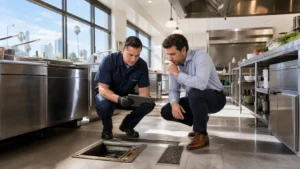
That is why a problem-focused plumbing inspection in Los Angeles matters. Instead of a quick, generic walk-through, this type of inspection zeroes in on the real trouble spots in a commercial kitchen. It looks at where grease, food scraps, and used cooking oil actually move through your system and where they tend to build up.
We work with commercial kitchens every day, so we see how often plumbing trouble starts with grease-heavy menus, high volume, and tight health rules. By focusing on the specific risks inside Los Angeles restaurants, problem-focused inspections help stop shutdowns before they start.
Why Problem-Focused Inspections Beat Generic Checklists
A problem-focused plumbing inspection does not treat every drain and pipe as equal. Instead, it spends the most time where the risk is highest. In a commercial kitchen, that usually means:
- Grease traps and interceptors
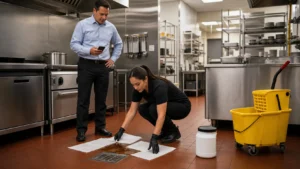
- Floor drains along the cook line and prep areas
- Dish and pre-rinse lines
- Mop sinks and janitorial areas
- Lines tied to used cooking oil handling
Generic, checklist-style visits might just run water, glance at a few drains, and call it good. Problem-focused inspections are different. They look at:
- Service history and past backups
- Patterns like clogs after weekend rushes or late nights
- Staff feedback about slow drains, smells, or gurgling sounds
This kind of inspection fits the daily reality of Los Angeles restaurants. Many locations run long hours with heavy delivery and takeout, so plumbing lines almost never get a break. Health inspectors can arrive with little warning, and any backup can lead to food waste when you have to throw out product or pause cooking.
By targeting known weak spots instead of spreading time thin across the whole building, a problem-focused inspection cuts down on:
- Emergency calls during service
- Overtime labor to clean up messy backups
- Lost product when food prep has to stop
Hidden Plumbing Threats Lurking in Restaurant Kitchens
Most plumbing trouble does not start with a big, dramatic clog. It starts quietly. A little grease sits in a horizontal line and slowly thickens. Food scraps catch on that layer. Over time, the pipe narrows until water only has a small path to escape.
Common hidden issues include:
- Gradual grease buildup in long, flat runs of pipe
- Partial blockages in main drains leaving your building
- Undersized or poorly maintained grease traps that overflow inside the system
Your team might notice small signs, like:
- Sinks that drain a little slower every week
- Floor drains that make gurgling sounds after big dish cycles
- Sewer smells that come and go, especially after heavy use
These hints often point to deeper issues that simple plunging or liquid cleaners will not fix. A problem-focused plumbing inspection looks beyond the surface and finds where the line is starting to choke.
Summer adds another layer. Longer daylight hours often mean more patio diners and extended service hours. Higher kitchen temperatures can make grease set up more quickly inside cooler underground lines. Extra beverage, ice, and bar service sends more water and organic material down the drains. Health officials often step up visits before big local events and tourist surges, so small hidden issues can be caught at the worst time if they are not handled early.
Grease Traps, Interceptors, and Clogs: Where Problems Start
In most commercial kitchens, the grease trap or interceptor is ground zero for trouble. When it is not serviced on the right schedule, grease and solids can:
- Push past the trap and into the building drain
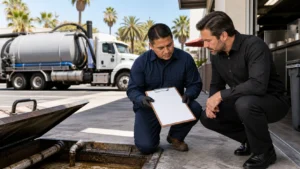
- Collect in outside lines and cause slowdowns or full blockages
- Lead to outdoor overflows that attract pests and risky health attention
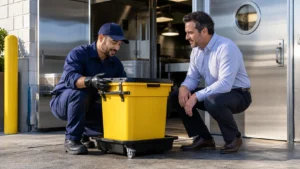
Used cooking oil plays a big role too. When oil is not stored and collected the right way, staff may be tempted to wash it down sinks or floor drains. Even small amounts that slip into the plumbing day after day can cool and harden deep inside buried lines.
That is why connecting grease trap cleaning, interceptor pumping, and used cooking oil collection with plumbing inspection in Los Angeles is so helpful. When these services are planned together, you get:
- Cleaner traps that are less likely to send grease downstream
- Plumbing lines checked at the same time traps are serviced
- One clear view of how grease and oil are moving through your system
This integrated approach keeps both the visible equipment and the hidden pipes working as a team instead of as separate parts.
Building a Smart Inspection Schedule for LA restaurants
There is no single schedule that works for every restaurant. A small bakery that runs mostly in the morning will not stress its plumbing the same way as a high-volume fry kitchen that runs late into the night. When setting an inspection plan, it helps to think about:
- Cuisine type, especially how much frying and grease-heavy cooking you do
- Volume of guests, catering orders, and delivery or takeout
- Hours of operation, including late nights and weekends
- Past plumbing incidents or near-misses
It is also smart to adjust around business cycles. Many Los Angeles restaurants see spikes around:
- Summer patio season and school breaks
- Holiday gatherings and office parties
- Major concerts, sports events, and local festivals
Scheduling problem-focused inspections before these periods lets your system handle the surge more smoothly.
Your staff can help keep things on track with simple daily and weekly checks, like:
- Noting slow drains or repeating smells in a log
- Watching for grease around traps, interceptors, and oil storage areas
- Reporting changes right away instead of waiting for a full backup
When recurring issues pop up, that is the time for a professional inspection that looks for root causes, not another quick fix.
How JR Grease Services Delivers Targeted Plumbing Protection
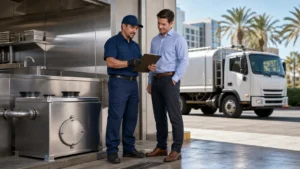
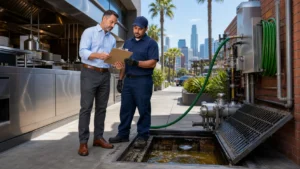
When we perform a problem-focused plumbing inspection, we start with a full walkthrough of the kitchen and related areas. We review any history of backups, clogs, or overflows and look at past service logs. This helps us see patterns and pick the lines that need the closest attention.
Our inspections can include:
- Focused line testing to check how well drains carry water and waste
- Camera inspections to see inside pipes and locate buildup or damage
- Line jetting to clear stubborn grease and debris
- Visual checks of grease traps, interceptors, and used cooking oil handling
By tying what we see on site to actual line conditions, we can point out where future problems are likely to show up and what maintenance can help avoid them.
Since we work with commercial kitchens in the Los Angeles area, we stay familiar with local grease rules and inspector priorities. A clear inspection record and consistent trap maintenance program can make surprise visits from health officials less stressful. When grease handling, trap service, and plumbing checks are coordinated, your kitchen is better prepared to stay open and keep service moving, even during the busiest summer rush.
Protect Your Kitchen With a Proactive Plumbing Inspection Today
If you have noticed slow drains, recurring backups, or unusual odors, now is the right time to schedule a thorough plumbing inspection in Los Angeles. At JR Grease Services, we help you catch small issues before they interrupt your kitchen operations or lead to costly repairs. Our team will work around your schedule and explain exactly what we find so you can make informed decisions. Ready to get started? Simply contact us to book your inspection.