Stop Grease Problems Before They Shut You Down
Grease problems in a restaurant almost never start with a big disaster. They start with small shortcuts. A rushed mop job at the end of a long shift. A fryer oil spill that gets “good enough” attention. A hood that looks clean from the ground, so no one checks inside. Over time, all those small misses turn into sewer backups, bad odors, and surprise visits from inspectors.
For Los Angeles restaurants, this matters even more during spring and summer when patios are full, tourism picks up, and the kitchen never really slows down. During those busy times, grease builds up faster, and small issues show up at the worst moments, like a Friday dinner rush or a big holiday reservation. The good news is that many of these problems are preventable with the right cleaning routines, strong partners, and clear training for your staff.
At JR Grease Services, we work in commercial kitchens across the LA area every week. We see the same avoidable cleaning mistakes over and over, especially before and after busy holidays. When you know what to watch for, you can stop grease problems before they shut you down.
Overlooking Hidden Grease Hotspots in Your Kitchen
The dirtiest spots in a kitchen are often the ones you cannot see from the line. If it does not look greasy at a glance, it is easy for staff to skip it during a busy close. But grease has a way of traveling and sticking to everything.
Common hidden hotspots include:
- Inside and above hood systems
- Exhaust vents and ductwork
- Walls and ceilings near fryers and grills
- Under and behind equipment on the cookline
- Around dish areas and floor drains
When hoods and exhaust systems do not get cleaned on a proper schedule, grease vapors collect inside the ductwork. That buildup becomes a serious fire risk and a clear red flag for inspectors. You might only notice it when you see streaks on the outside of the hood, smell burnt grease when the line heats up, or spot smoke where there should not be any.
A simple weekly visual check by managers can catch a lot of this early. Walk the kitchen with a flashlight and look up, down, and behind equipment. Ask yourself:
- Do the hood filters look dark, sticky, or clogged?
- Are there greasy streaks on walls, ceilings, or nearby tiles?
- Do floors around fryers feel slick even after mopping?
If you see heavy buildup or areas that never seem to come clean, that is the time to bring in professional restaurant cleaning services in Los Angeles for deeper degreasing of hoods, vents, and hard-to-reach spots.
Relying on Staff Alone for Heavy-Duty Grease Tasks
Your cooks and dish staff already carry a lot. Expecting them to fully clean grease interceptors, deep clean hoods, or handle heavy ladder work adds safety risk and usually does not get the job done right. During peak seasons, shortcuts are almost guaranteed.
When staff are left to handle big grease jobs, we often see:
- Wrong chemicals that damage surfaces or coatings
- Soap and degreaser left behind because of incomplete rinsing
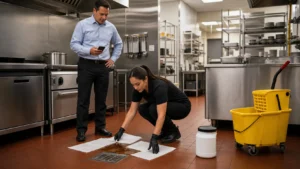
- Grease pushed into floor drains instead of picked up and removed
- Unsafe ladder use to reach hood and vent areas
These mistakes can make problems worse. Grease forced into drains builds thick layers inside pipes. Leftover chemicals mix with hot water and food waste. Poor ladder setups around hoods and vents create fall risks in tight spaces.
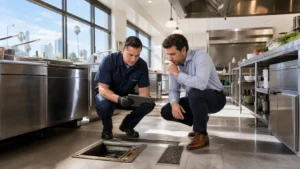
Professional kitchen grease teams bring the right tools, training, and safety steps for these jobs. They know how to clean full hood systems, manage interceptor work, and clear grease from lines while staying within local rules. They also provide documentation, which helps show inspectors that you are taking grease and fire safety seriously.
Mishandling Used Cooking Oil and Grease Traps
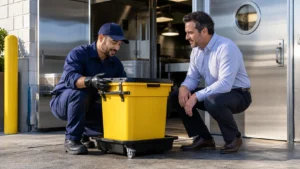
Used cooking oil feels simple, but handling it wrong can create a chain of problems. Pouring oil into sinks or floor drains, letting outdoor bins leak, or leaving unlabeled buckets behind the building all lead to trouble.
Bad used oil habits can cause:
- Thick clogs that do not respond to basic plunging
- Pest activity around dumpsters and outdoor storage
- Slippery areas outside that create safety hazards
- Attention from city staff when oil shows up where it should not be
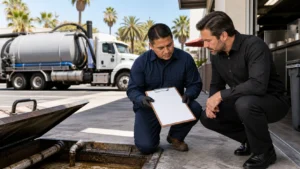
Grease traps and interceptors have the same story. When they are not pumped on a regular schedule, they fill up with a mix of grease, food solids, and gray water. You might notice:
- Slow sinks that never seem to drain fast
- Strong sewage or rotten smells near dish or prep areas
- Backups that appear during your busiest service times
A steady routine for used cooking oil collection and trap pumping keeps your kitchen flowing. Compliant storage containers keep oil sealed and out of sight, and regular service stops grease before it finds its way into your plumbing. When oil is collected and recycled properly, many restaurants also see added value from their used oil instead of treating it as pure waste.
Ignoring “Minor” Plumbing Issues Until It’s Too Late
A slow drain or faint odor might not seem urgent when tickets are flying, but these are early signs that grease is building up. By the time a line is fully blocked, you can be looking at shutoff notices, flooded floors, or a forced closure until things are cleaned and cleared.
Watch for warning signs like:
- Sinks or floor drains that gurgle or drain in circles
- Standing water near dish machines or prep sinks
- Odors from restrooms or mop sinks that return after cleaning
Seasonal patterns matter too. Spring leads into patio season, graduation parties, and big summer holidays like Memorial Day and the Fourth of July. Those busy days send more food, fat, and grease into your plumbing than a slow weekday. If your lines are already coated in grease, that extra rush is often what pushes them over the edge.
Proactive plumbing checks, including preventative hydro jetting of kitchen lines, give you a clean slate before high-volume periods. A local provider that understands restaurant loads and LA requirements can help you spot risks early instead of waiting for a full emergency.
Build a Grease-Safe Cleaning Plan for Your LA Restaurant
Keeping grease under control is not about one big deep clean. It is about a simple, clear plan that your team can follow, supported by partners who handle the heavy work. Start by looking at what you already do.
Ask yourself:
- Do our closing checklists cover hidden hotspots, like walls, ceilings, and under equipment?
- Are our hood, vent, and exhaust cleanings on a steady schedule, with records?
- Is used oil stored properly and picked up on a regular route?
- Are our grease traps and interceptors serviced before there is a problem, not after?
- Do we have a trusted provider for kitchen plumbing and preventative jetting?
From there, you can fill in the gaps. Set clear roles for staff so they know what belongs on their list and what belongs with professionals. Train new hires on how to handle spills, where used oil goes, and why shortcuts with drains are never okay.
When restaurants in Los Angeles partner with a full-service grease provider, they gain one team that understands how all the pieces connect. JR Grease Services coordinates used cooking oil collection, grease trap and interceptor cleaning, and kitchen plumbing support for commercial kitchens across the area. With the right plan and the right help, your restaurant can stay clean, safe, and ready for whatever the next busy season brings.
Protect Your Kitchen With Reliable Grease & Cleaning Support
If you are ready to keep your restaurant compliant, safe, and running smoothly, our team at JR Grease Services is here to help. Learn how our specialized restaurant cleaning services in Los Angeles can prevent costly backups and unexpected downtime. We will review your needs, recommend a service schedule, and handle the dirty work so you can focus on your guests. Have questions or need a quote fast? Just contact us and we will respond promptly.