Stop Costly Backups Before They Start
Grease trap cleaning is one of those tasks that is easy to push off until something goes wrong. But when it goes wrong, it goes very wrong. Sinks backed up, foul smells, and greasy water on the floor can shut down your kitchen fast, and health inspectors do not have much patience for that.
Clean grease traps are not only about staying compliant. They are about keeping your drains open, your staff safe, and your guests happy. Different types of kitchens create different kinds and amounts of grease, so a one-size-fits-all schedule does not work. A fast-food spot with fryers running all day is not the same as a school cafeteria or a ghost kitchen.
We want to give you a simple, practical schedule you can actually use. We will walk through how grease traps work, recommended cleaning timelines for different kitchen types, and how your menu, volume, and local rules in the Los Angeles area change the plan.
How Grease Traps Work and Why Frequency Matters
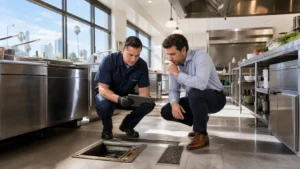
A grease trap is like a filter for your kitchen wastewater. When water from sinks and dishwashers flows into the trap, it slows down. That slow flow gives fats, oils, and grease, also called FOG, time to rise to the top while heavy food solids sink to the bottom. Cleaner water moves out to the sewer, and the messy stuff stays behind in the trap.
Over time, those top and bottom layers get thicker. As the trap fills up, there is less room for water to move. Grease starts slipping through into your pipes, and that is when you get:
- Slow drains and gurgling sounds
- Standing water in sinks or floor drains
- Strong, sour, or rotten odors near the trap
- Higher risk of clogs and emergency plumbing calls
Many cities follow the 25 percent rule. When grease and solids take up about one-quarter of the trap’s volume, it is time to clean. Waiting longer often means backups, bad smells, and a higher chance of a health code issue. In busy seasons like summer, when Los Angeles kitchens see more tourists and events, those problems can hit at the worst possible moment.
Recommended Cleaning Schedules by Kitchen Type
While every kitchen is different, there are common patterns by concept. Think of these as starting points, not hard rules.
Quick-service and fast-casual restaurants
These kitchens tend to run fryers nonstop, with steady traffic all day and late into the night.
Typical schedule: every 2 to 4 weeks.
You may need the shorter end of that range if you:
- Rely heavily on fried menu items
- Have a busy drive-thru with constant car lines
- See big spikes in summer or on weekends
Full-service and fine dining kitchens
These kitchens may not fry as much, but they often use a lot of butter, sauces, and sautéed items.
Typical schedule: every 4 to 6 weeks.
You might tighten that schedule if you:
- Offer rich brunch service with high-fat dishes
- Have a strong bar program with late-night snacks
- Run special tasting menus that keep the line moving for long stretches
Hotels, resorts, and large venues
These operations often have multiple food outlets under one roof, from breakfast buffets to banquets.
Typical schedule: every 2 to 8 weeks, depending on:
- How often banquet halls and event spaces are booked
- Daily breakfast volume and room service load
- Seasonal events, conferences, or festivals nearby
School, hospital, and institutional kitchens
These kitchens tend to have steady but predictable volume, with strong focus on sanitation.
Typical schedule: every 4 to 8 weeks.
Things that can affect frequency:
- School year versus summer break
- Rotation of menus with more or less fried food
- Inspection schedules that require documented service
Ghost kitchens and food halls
Shared spaces and long hours put extra stress on traps and plumbing.
These operations generally need more frequent cleaning. Shared lines and interceptors can fill fast when many brands are cooking at once, especially if there are multiple fryer-heavy concepts in the same space. Close coordination with building management and other tenants is key so no one gets surprised by a backup.
How Menu, Volume, and Equipment Change Your Schedule
Two restaurants might sit on the same street and still need very different grease trap cleaning plans. The difference often comes down to what you cook, how much you cook, and what your kitchen looks like.
Menu profile
Higher FOG output comes from concepts like:
- High-fry menus
- BBQ and rotisserie with dripping fats
- Comfort-food and diner-style cooking
A more plant-forward or low-oil menu may allow a bit more time between cleanings, but it does not remove the need for regular service. Even “light” menus still send food solids and some grease down the drains.
Volume and operating hours
The more plates you serve and the longer you are open, the faster your trap fills. Busy delivery and takeout, late-night service, and holiday or summer tourist surges all add up. When you plan seasonal promotions or expect more foot traffic, it is smart to plan grease trap cleaning a little earlier than usual.
Equipment and layout
Your setup has a big impact:
- Number of fryers, flat tops, and grills
- Dishwashers and pot sinks tied into the trap
- Size and location of the grease trap or interceptor
- Age and condition of your plumbing lines
Undersized traps or older plumbing often need shorter cleaning cycles because they simply cannot handle as much buildup before problems start.
Practical tip: keep a simple log. For two or three service cycles, note the date, trap condition, and how full it was. Patterns will show up fast and help you adjust from guesswork to a schedule that truly matches your kitchen.
Local Codes, Inspections, and La-Specific Requirements
Health departments, city inspectors, and wastewater agencies all care about grease traps because FOG in the sewer system can cause big problems beyond your building. To protect the system, they set minimum cleaning and maintenance rules for traps and interceptors.
Around the Los Angeles area, many jurisdictions expect:
- Regular, documented grease trap cleaning
- Proper collection and recycling of used cooking oil
- Manifests or service records kept on site for review
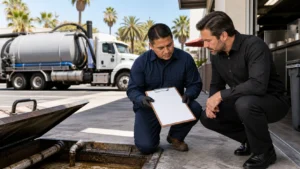
Inspectors may visit more often around busy travel periods, large local events, or peak tourist seasons. If your records show consistent, professional service, inspections tend to go more smoothly. Using licensed haulers and keeping paperwork organized helps show that you take compliance seriously and protects you when it is time to renew permits or respond to questions.
Build a Year-Round Grease Trap Plan for Your Kitchen
The smartest kitchens treat grease management as part of their normal operations, not a last-minute fix. A written, year-round plan can link together:
- Grease trap cleaning
- Used cooking oil collection
- Preventative kitchen plumbing checks
This way, you are not scrambling when drains slow down during your busiest weekend or when summer visitors fill your dining room and ticket times stretch.
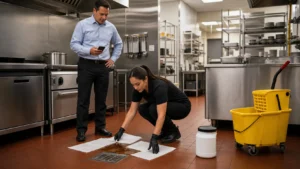
Train your team to recognize warning signs early. Smells near floor drains, water that drains slower than usual, bubbling sounds, or visible grease in sink fixtures all signal it is time to look at the trap before things get messy. When staff know what to watch for and who to tell, you catch small issues before they turn into closures.
JR Grease Services is based in the Los Angeles area, and we work with many different kitchen types, from quick-service spots to large institutional operations. With a good understanding of your menu, volume, and equipment, it is possible to build a realistic cleaning schedule that keeps your kitchen safe, compliant, and ready for the next rush without surprise backups or emergency plumbing drama.
Keep Your Kitchen Running Safely And Up To Code
If you are overdue for service or want to prevent costly backups, we can help you set up reliable grease trap cleaning on a schedule that fits your operation. At JR Grease Services, our technicians focus on thorough work that protects your plumbing, supports compliance, and minimizes downtime. Reach out today through our contact us page so we can assess your needs and get your next service on the calendar.