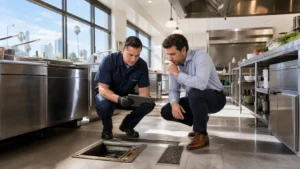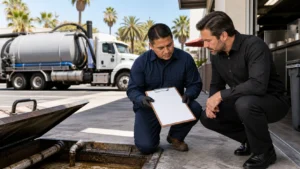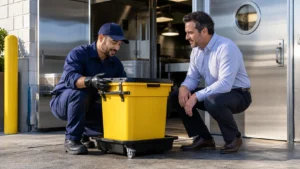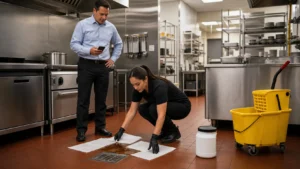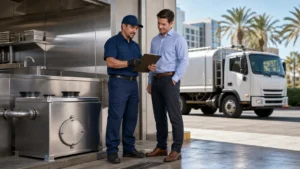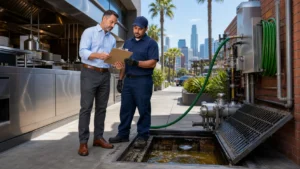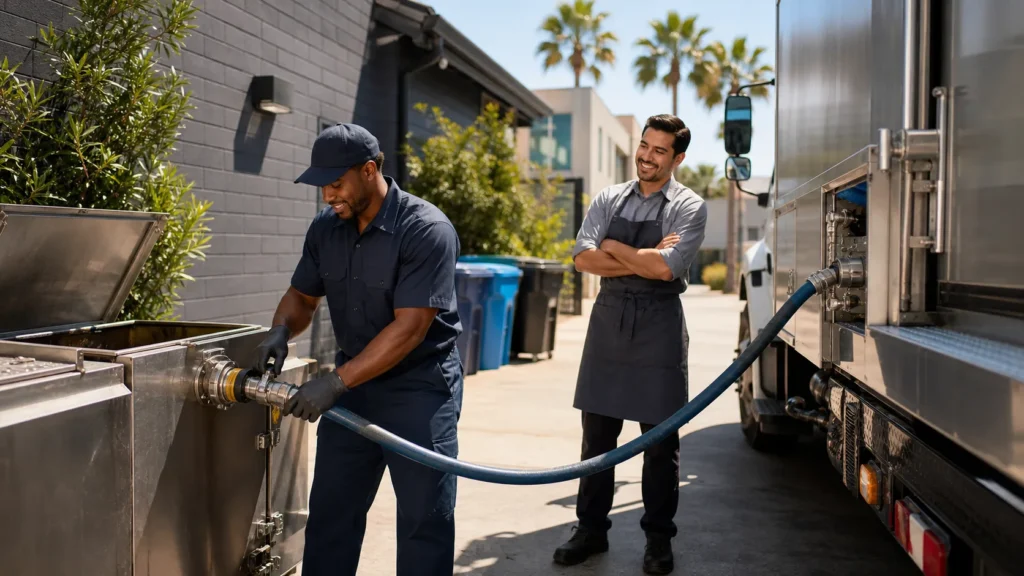
A smart fryer-oil pickup plan keeps LA kitchens safe, clean, and out of trouble with health inspectors. When fryers are busy and the back of house is moving fast, used oil can build up quickly. If storage is messy or pickups are late, that harmless-looking bin behind the kitchen can turn into a risk for violations, odors, and even plumbing problems.
This guide walks through how fryer oil pickup fits into everyday kitchen routines, what inspectors really look for, and how to set up safe storage, smart schedules, and connected grease services. With a clear plan, your team can focus on food and guests, while used oil is handled in a safe, compliant, and eco-friendly way.
Keep LA Health Inspectors Happy All Year Long
Late summer in Los Angeles is busy. Tourists fill dining rooms, events pop up all over the city, and fryers run from open to close. During those peak weeks, one missed fryer oil pickup can lead to overflowing bins, strong odors, and a bad surprise during a health inspection.
In the heat, old oil breaks down faster and smells stronger. Pests notice that. So do neighbors, landlords, and inspectors. That is why handling used cooking oil is as important as food temps, handwashing, and clean prep areas.
A smart fryer oil pickup strategy helps your team:
- Avoid health code violations tied to spills, odors, and pests
- Protect floors and staff from slips and burns
- Extend fryer and plumbing life with better grease control
- Support greener operations by sending oil to recycling
Our team at JR Grease Services has been working with commercial kitchens across Los Angeles and surrounding areas since 1988. We have seen what works and what gets flagged, and we want to share practical tips that fit real LA kitchens.
What LA Inspectors Really Look for Around Fryers
Health inspectors do not just look at the fryers themselves. They pay close attention to how used oil is handled from kitchen to storage.
They expect to see:
- No oil on the ground around outdoor containers
- Containers that are not overflowing or caked with grease
- Tight-fitting lids that keep out rain, pests, and trash
- A clean, safe path from the kitchen to the storage area
If the oil area looks messy, inspectors often assume there are other problems too. Spilled oil can cause slips and falls. Grease near storm drains can wash into the system. Dirty corners invite roaches and rodents.
Inspectors may also ask questions like:
- Who handles fryer oil pickup for your business?
- How often is used oil collected?
- Do you have manifests or service records available?
During late summer, when long days and warm nights keep pests active, inspectors are extra alert to strong odors and any sign that oil is stored too long or handled carelessly.
Smart Fryer Oil Pickup Scheduling That Prevents Violations
A solid pickup schedule is one of the best ways to stay clear of problems. To set the right timing, think about:
- Fryer size and number of fryers
- How heavy your menu is on fried items
- Weekly volume during normal weeks
- Seasonal bumps, like summer tourists or events
Many kitchens wait until the outside container looks close to full. That is risky. In hot weather, even a half-full container can smell bad and attract pests if it sits too long. Waiting also leads to last-minute emergency calls that may not line up with your busiest days or an upcoming inspection.
Working with a reliable grease partner helps you:
- Set a steady pickup schedule that matches your real volume
- Adjust timing for busy seasons or special events
- Keep clear records of every pickup for inspectors
It also helps to make fryer oil transfers part of your regular routines. For example, add them to:
- Closing checklists
- Prep lists for slower times of day
- Written steps for new staff training
When everyone knows who handles hot oil, when it moves, and where it goes, the chance of spills and surprise overflows drops a lot.
Designing Safe, Compliant Oil Storage Areas
The right setup around your used oil container makes daily work safer and inspections smoother. A strong layout includes:
- A properly sized container with a clear label
- A lid that always stays closed when not in use
- A stable, non-permeable surface like concrete, not bare dirt
- Space away from storm drains and dumpster runoff
Plan a safe route from fryer to container. That means:
- Clear walkways without clutter
- Anti-slip mats in greasy spots
- Spill kits ready nearby, not buried in a closet
- Simple rules for moving hot oil during slower hours
Many LA kitchens have tight back alleys, small shared enclosures, or multi-tenant setups. In those cases, smart placement can reduce complaints and citations. Try to avoid:
- Containers tucked where trucks cannot reach them
- Spots where oil drips across shared walkways
- Areas too close to neighboring doors or patios
Assign one role on each shift to check the storage area. Quick daily checks can include:
- Looking for leaks or drips around the base
- Wiping any oil on pavement or walls
- Noting unusual odors that might mean oil is sitting too long
Simple habits like these matter even more during hot August days, when smells carry and neighbors have windows open late.
Integrating Grease Traps and Plumbing Into Your Oil Plan
Fryer oil and grease traps are closely linked. When staff are rushed or storage is a hassle, more grease can end up down the drain. Over time, that adds up inside lines, weighs down grease traps, and leads to clogs.
Those clogs can mean:
- Slow drains and backed-up sinks
- Emergency plumber calls during dinner service
- Violations tied to blockages or sewer overflows
Coordinating fryer oil pickup with grease trap cleaning gives you a complete grease management program. When both are on a clear schedule, your lines stay clearer, and inspectors see a kitchen that takes grease control seriously.
At JR Grease Services, we provide used cooking oil collection, grease trap cleaning, and kitchen plumbing services as one connected support system. That helps reduce surprise repairs, stretch equipment life, and keep operations steady during peak LA dining seasons.
Choose the Right Fryer Oil Partner for LA Compliance
Not all fryer oil pickup services are the same. To protect your business, look for a provider that can offer:
- Proper licensing and insurance
- The ability to provide service manifests and records
- A focus on environmentally responsible recycling of used oil
- A clean, professional approach during every visit
For many LA kitchens, fast response times and flexible scheduling are also very important. Late-night or round-the-clock operations need a partner that understands restaurant hours and can support service outside the lunch rush.
Responsible grease collectors send used cooking oil to be processed into renewable products instead of letting it go to waste. That supports your sustainability goals and lines up well with what many LA diners care about.
JR Grease Services has been serving commercial kitchens across Los Angeles and surrounding areas since 1988. Our local experience means we understand common inspection concerns, typical building layouts, and how to help reduce the risk of violations tied to grease and used oil.
Lock in a Violation-Free Fryer Oil Routine Today
Keeping your fryer oil setup compliant does not have to be complicated. The keys are simple habits repeated every week:
- Consistent, planned fryer oil pickup
- Safe, clean storage areas with the right containers
- Clear, accessible service records and manifests
- Grease trap and plumbing maintenance that match your oil use
A quick fryer oil walk-through with your team can make a big difference. Look at how often you are filling containers, check for spills or odors, review pickup frequency, and note any summer-specific issues like pests near outdoor storage.
With a smart plan and the right support, LA kitchens can focus on great food and smooth service, knowing they are ready for the next inspector who walks through the door.
Streamline Fryer Oil Pickup And Protect Your Kitchen Operations
Keep your kitchen running safely and in compliance by letting JR Grease Services handle your used oil through our reliable fryer oil pickup. We work around your schedule so you never have to worry about overflowing containers or messy storage areas. Reach out today through our contact page to set up service or request a custom pickup plan tailored to your location.