Get Your Kitchen Spring-Ready Before the Rush
Spring in Los Angeles means patios open, school events ramp up, and guests start planning Mother’s Day brunches, graduations, and big group dinners. That also means your commercial kitchen is about to get a lot busier. One of the smartest prep steps you can take is simple: get your grease trap cleaning done before the rush hits.
When a kitchen heads into peak season with a neglected grease trap, small problems turn into big headaches. Slow drains, surprise backups, bad odors, and sudden plumbing issues can stop service right when your dining room is full. Taking care of your grease system now helps keep your operation steady when tickets are flying and every seat is full.
We work with restaurants, hotels, schools, ghost kitchens, and other foodservice operations across Los Angeles, and we see the same pattern each year. The kitchens that plan ahead with scheduled grease trap service handle peak season with fewer surprises. The ones that wait often end up calling during an emergency.
Why Spring Is Critical for Grease Trap Cleaning
By the time spring rolls around, many kitchens have been running on heavy menus and steady delivery orders for months. Fried foods, comfort dishes, and constant prep add up inside your grease trap. Even if it is out of sight, it is quietly filling up.
Here’s why spring is a smart breakpoint:
- Winter and early spring menus often mean more fats, oils, and food solids
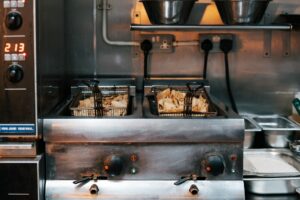
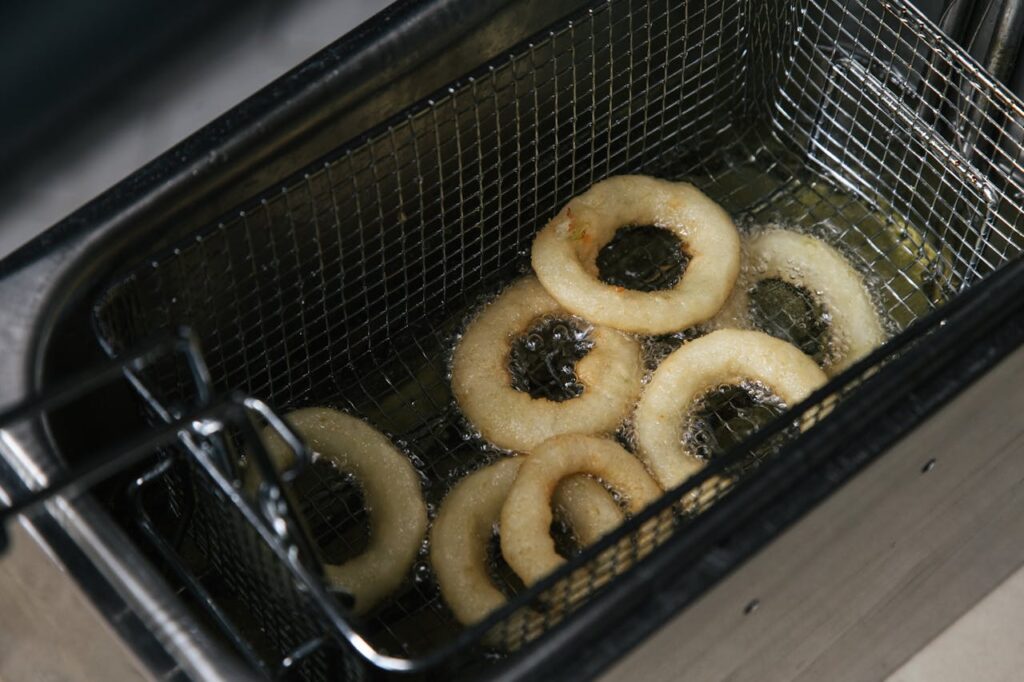
- Delivery and takeout can keep fryers going almost nonstop
- By late April, many traps are already close to capacity
As the days get warmer and the sun stays out longer, any trapped grease and food waste can start to smell. Those odors do not stay in the back-of-house. They can drift into the dining room, bar, or outdoor seating and give guests a bad first impression.
Spring is also when many locations see more visits from inspectors and other officials. Going into that period with a clean, well-maintained grease trap puts you in a stronger spot. You are not trying to rush a last-minute pump-out after a warning or during a busy weekend.
There is a big difference between reacting to problems and planning ahead. Reactive service usually means you are already dealing with:
- A backed-up floor drain in the middle of service
- A dishwasher that will not drain when you need it most
- A mop sink that is overflowing right before closing
Proactive, seasonal grease trap cleaning keeps those issues from building up in the first place, so your staff can focus on food and guests, not standing water and bad smells.
Hidden Costs of Skipping Seasonal Grease Maintenance
On the surface, pushing off grease trap cleaning might seem like no big deal. The drains are a little slow, but everything still “works.” The real costs tend to show up all at once, and usually on a busy day.
When a grease trap clogs or overflows during peak hours, you can face:
- Lost revenue from paused or stopped service
- Staff pulled off prep and cooking to deal with cleanup
- Emergency plumber visits at the worst possible time
Grease that sits too long does not just stay in the trap. It can coat the inside of your plumbing lines. Over time, that buildup makes every sink, dishwasher, and floor drain more likely to clog. What starts as a small delay at the three-compartment sink can grow into sewer line issues or repeated backups in multiple areas of the kitchen.
There is also your reputation to think about. Guests remember:
- Strong sewer or grease odors near the entrance or patio
- Restrooms or dining areas closed because of plumbing issues
- Events cancelled or cut short because the kitchen had to shut down
Those moments can lead to negative reviews or lost event bookings, especially during the most profitable months of the year.
Regular, seasonal cleaning of your grease trap and interceptor supports the long life of your plumbing system and grease equipment. When traps and lines are kept clear, they work the way they were designed to. That means fewer repairs, less emergency work, and more predictable operations over time.
Spring Cleaning Checklist for Commercial Kitchen Grease Systems
Spring is a natural time to reset your kitchen. While you plan deep cleaning for hoods, coolers, and equipment, it helps to add your grease system to the checklist.
Start with a quick self-review:
- Check your last grease trap cleaning date and service log
- Walk the kitchen and note any slow or gurgling drains
- Pay attention to odors near floor sinks, mop sinks, and the trap area
- Look for pooling water that keeps coming back after you clear it
If you see any of these warning signs, your system is asking for attention. Even if everything seems fine, it is still smart to keep a regular schedule, especially in high-volume Los Angeles kitchens.
Many kitchens find that grease trap cleaning works best when it is coordinated with:
- Used cooking oil pickup and storage checks
- Hood and duct cleaning
- Spring deep cleaning and equipment maintenance
By grouping these tasks, you limit downtime and help your team plan around service windows.
Service frequency can vary based on your operation:
- Busy restaurants and ghost kitchens may need more frequent grease trap cleaning
- Hotels, large venues, and banquet operations often schedule service around event calendars
- Schools and institutions may plan around breaks and special programs
Working with one provider for grease trap cleaning, used cooking oil collection, and kitchen plumbing support brings everything under one umbrella. With a single partner watching the full grease system, there is less chance that a key task gets missed during the busy season.
How JR Grease Services Prepares LA Kitchens for Peak Season
As a local provider focused on grease management for commercial kitchens in the Los Angeles area, we understand how quickly volume can jump as spring moves into summer. Our goal is to keep your grease systems ready so your team can handle that jump without drama.
Our full-service approach covers the main pain points in back-of-house grease control, including:
- Professional grease trap and interceptor cleaning for commercial kitchens
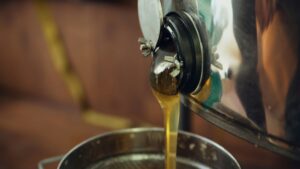
- Used cooking oil collection and transport
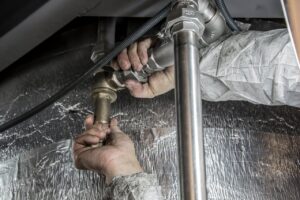
- Kitchen plumbing support related to grease and drain issues
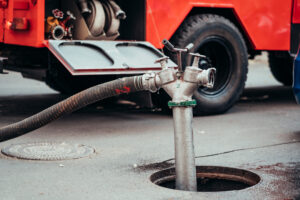
During a scheduled grease trap cleaning visit, you can expect a clear, organized process. We inspect the trap, pump out collected grease and solids, and clean the interior surfaces and components. We handle transport and disposal of the collected material in a responsible way and provide documentation you can keep on file for your records.
Because we work in Los Angeles every day, we are familiar with the needs of local restaurants, hotels, schools, and other commercial kitchens. Our routes and timing are planned around high-demand areas and typical service hours, so cleaning can happen with as little disruption as possible.
Some kitchens prefer a recurring schedule that lines up with their volume and inspection cycles, while others like to pair regular service with backup support for unexpected issues. Either way, having a consistent plan for grease trap cleaning, used cooking oil collection, and kitchen plumbing gives your team a smoother path into peak season.
Protect Your Kitchen With Reliable Grease Trap Cleaning
Keeping your kitchen compliant and running smoothly starts with consistent grease trap cleaning tailored to your operation. At JR Grease Services, we handle the dirty work so you can focus on serving your customers without worrying about backups, odors, or surprise shutdowns. If you are ready to schedule service or need a custom maintenance plan, contact us today.