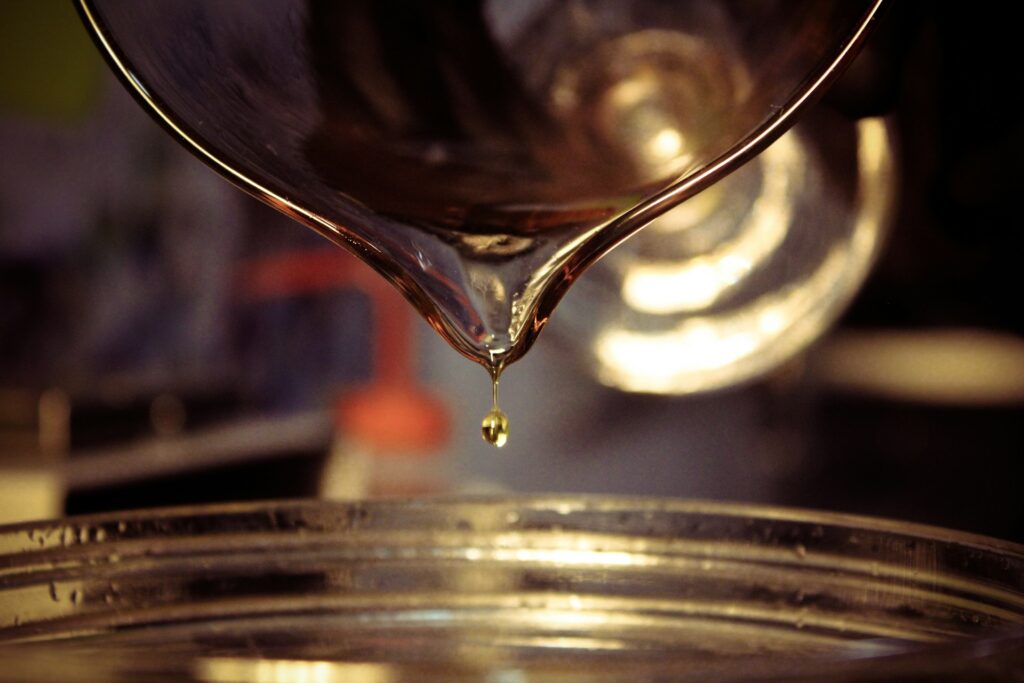
Stop Wasting Space and Time on Used Cooking Oil
Used cooking oil builds up fast in a busy kitchen. As spring rolls in, Mother’s Day, graduations, tourists, and patio seating all hit at once. Fryers run longer, tickets stack up, and those oil containers start filling before anyone has time to think about them.
At that point, every operator faces the same question: do we keep storing and managing this used oil ourselves, or do we bring in a professional grease collector to handle it? The choice affects safety, inspections, staff time, plumbing, and even our neighbors.
In crowded Los Angeles kitchens, one bad spill, one backed-up line, or one unhappy inspector can shut things down at the worst time. That is why smart grease management is just as important as food quality and service. We handle used cooking oil collection, grease trap cleaning, and plumbing support across the area, so we see both sides every day.
In this article, we will compare do-it-yourself storage with working with a grease collector, so owners, chefs, and managers can choose the safer, smarter setup before the warm weather rush hits full speed.
Hidden Costs of Storing Used Cooking Oil Yourself
Storing your own used cooking oil can sound simple, but it often costs more in space, time, and risk than it seems at first.
Space and workflow disruption hits hard in compact kitchens. Drums, barrels, or buckets end up in corners, against walls, or outside by the back door. Over time they turn into obstacles.
Common problems include:
- Containers blocking delivery paths or exit doors
- Staff squeezing around drums during busy service
- Outdoor storage crowding trash, recycling, or parking spots
When people have to move around containers all day, everything slows down. Food runners, dishwashers, and prep cooks lose precious seconds on every trip. During peak service, those delays turn into backup on the line and more stress for everyone.
Then there is labor and liability. Handling hot oil is not simple. Someone has to cool it safely, carry it, pour it into storage, and keep an eye on how full the containers are. That takes staff time that could go toward prep, cleaning, or guest service.
On top of that, you are asking your team to handle:
- Hot, heavy fryer vats
- Slippery spills on tile or concrete
- Awkward lifting and twisting with full containers
Each step brings risk of burns, slips, and back injuries. Those are not just painful for the employee, they can also turn into workers’ compensation claims and time off when you can least afford to lose staff.
Safety, odor, and pest issues grow quietly in the background. If a lid is not sealed right or a container gets overfilled, oil can leak, smell, and draw pests. Rodents and insects love leftover grease. Neighbors, landlords, and guests do not.
Indoor or tight storage can also increase fire risk, especially if containers sit near fryers, ovens, or hot equipment. In small, unventilated areas, one spark or one tipped container can create a serious hazard.
How a Professional Grease Collector Simplifies Your Kitchen
A professional grease collector is not just someone who hauls away oil. Done right, it becomes part of how your kitchen runs smoothly day after day.
One of the biggest benefits is scheduled pickups that match your volume. A good provider talks with you about:
- How many fryers you run
- What is on your menu
- How busy you are on weekends, holidays, and events
From there, they set a regular schedule that fits your actual use. That way, containers are emptied before they overflow. You are not panicking when the patio fills up and the oil tank is already at the top.
Safe, sealed, and compliant containers make a huge difference too. Professional containers are:
- Built for heavy use and weather
- Fitted with tight lids to limit spills and smells
- Clearly labeled so staff and inspectors know what they hold
Placement matters. A grease collector will help place containers where staff can reach them quickly but where they do not block exits or create tripping hazards. Cleaner waste areas make inspections smoother and help your team move faster.
Tracking, documentation, and peace of mind come along with the pickups. Each visit can include records and manifests that show your grease is being handled the right way. When a health inspector, landlord, or city staff member asks about your grease management, you have proof ready to go.
Compliance, FOG Regulations, and Environmental Impact
FOG stands for fats, oils, and grease. When FOG goes down drains or into trash, it sticks to pipes. Over time, that can clog your own plumbing and even public sewer lines. Local agencies in the Los Angeles area pay close attention to this and food businesses are easy targets for inspections.
If a kitchen is not handling FOG correctly, it can face:
- Fines from local authorities
- Demands for quick fixes that interrupt service
- Strained relationships with landlords or building managers
A professional grease collector understands how used cooking oil and grease should be kept out of drains and trash. Combined with regular grease trap cleaning, proper collection helps lower the risk of:
- Sewer backups in your kitchen or building
- Strong odors coming from drains or outside areas
- Emergency plumbing calls in the middle of service
There is also an environmental side. Used cooking oil that is collected responsibly can be recycled into useful products like biodiesel instead of ending up in landfills or in the sewer system. Many guests in this area care about sustainability and pay attention to how restaurants handle waste.
When you can say your grease is collected and recycled, it supports your wider story about caring for the community and the environment.
Comparing Costs and Risks: Collector vs. DIY Storage
On paper, storing oil yourself might look cheaper. You see containers and some staff time, and that seems easy enough to handle. But when you look closer, the hidden costs can stack up.
With DIY storage, you may end up paying for:
- Extra labor hours moving and handling oil
- Cleaning supplies and time to manage spills and buildup
- Pest control visits if rodents or insects move in
- Emergency plumbing when grease clogs lines
There is also the cost of one bad incident. A major clog, a small fire from improper storage, or a serious slip can interrupt service, raise insurance concerns, and create long-term headaches.
A professional service brings predictable routines and takes much of that risk off your plate. While there is a fee, the trade is less surprise, less stress, and more time for your team to focus on food and guests.
Insurance, liability, and business continuity all tie into this choice. When oil is handled and stored the wrong way, it can:
- Complicate insurance claims after an incident
- Raise questions during inspections or property reviews
- Lead to temporary closures while problems are fixed
On the other hand, professional collection supports safer practices and smoother operations. As your business grows or your menu changes, a grease collector can quickly adjust pickup frequency. DIY setups have a harder time keeping up, and that is when overflow, shortcuts, and safety issues tend to appear.
Take Control of Your Grease Before the Busy Season Hits
As the spring and early summer rush arrives, grease management should not be the thing that slows your kitchen down. Partnering with a professional grease collector saves space, reduces risk, supports compliance, and makes everyday work easier for your team.
At JR Grease Services, we focus on used cooking oil collection, grease trap cleaning, and plumbing support for commercial kitchens in the Los Angeles area. We see how a solid system for grease can free owners and managers to spend more time on food quality, guest experience, and growing the business instead of worrying about clogs, odors, or inspections.
Now is the time to take a fresh look at where and how you store oil, how full containers get, and how often you deal with grease-related problems. With the right grease collector by your side, you can head into the busy months with one less thing to stress about.
Protect Your Kitchen With Reliable Grease Management Today
Choose JR Grease Services to handle your used cooking oil with a professional grease collector that keeps your operation cleaner, safer, and compliant. We make scheduling pickups simple and ensure your oil is handled responsibly from start to finish. If you are ready to streamline your kitchen waste handling or have questions about service options, contact us so we can help you set up a collection plan that fits your needs.