Why Sanitation Makes or Breaks LA Restaurants
Good restaurant sanitation services can keep a busy Los Angeles kitchen moving, even on a packed Friday night. When the line is full, delivery orders are pinging, and the patio is booked, the last thing anyone wants is a clogged drain, a smoky hood, or a bad smell drifting into the dining room. Clean, well-maintained systems help your team work faster and safer, and they support the guest experience from the first step through the door.
Guests in LA pay attention. They notice how the restrooms look, how the dining room smells, and how the plates come out. Health scores are easy to find online, and one bad inspection or review can follow a restaurant for a long time. Strong sanitation support in the back of house protects your public image, your staff, and your ability to stay open without surprise shutdowns.
What Restaurant Sanitation Services Really Cover
Restaurant sanitation services go far beyond wiping counters and mopping the floor at the end of the night. Those everyday tasks matter, but they do not touch the deeper problems that grow inside pipes, traps, and tight corners. Professional support is focused on the hidden spots where grease, food scraps, and moisture build up and create risk.
Core parts of restaurant sanitation services usually include things like:
- Grease trap pumping and cleaning
- Used cooking oil collection and container care
- Floor drain and line cleaning in kitchens and prep areas
- Cleaning support around dish pits and food prep zones
- Care for high-contact surfaces and hard-to-reach areas
It also helps to understand the difference between general janitorial work and specialized kitchen sanitation. Janitorial crews handle front of house cleaning, restrooms, trash, and basic floor care. Kitchen sanitation teams focus on higher-risk areas like cook lines, hoods and vents, dishwashers, and prep sinks. These are the places that directly affect health inspections and food safety.
In Los Angeles, inspectors look closely at grease control, drain conditions, and overall waste handling. Local rules around grease disposal and plumbing are strict, and for good reason, since blockages affect the wider community too. That is why specialized sanitation support is not just a nice bonus for commercial kitchens, it is a core part of staying compliant and ready for surprise visits from the health department or city inspectors.
Grease Management That Keeps Kitchens Moving
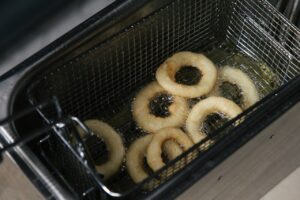
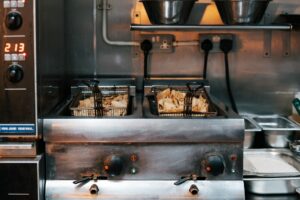
Grease is part of almost every commercial kitchen. It moves from fryers to pans, from pans to plates, and eventually into traps and lines. When that grease is not handled correctly, it sticks to pipes, slows drains, and creates strong odors that are hard to ignore.
Problems from poor grease management can show up as:
- Slow or gurgling floor drains on the line
- Standing water near dishwashers or prep sinks
- Sudden backups that flood parts of the kitchen
- Smells that leak into dining areas or restrooms
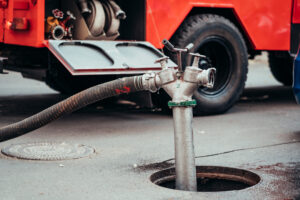
Scheduled grease trap pumping keeps traps working as they should. When traps are cleaned on a regular schedule, they are less likely to overflow or push grease into the rest of the plumbing. Line jetting helps clear the grease film and food buildup that cling to the inside of pipes and can cause repeated clogs.
Support around hoods and related systems also matters. Grease that collects in and around cooking equipment can lead to poor airflow, more smoke, and a harder time keeping the line clear during rushes. With steady grease management, your kitchen flow improves, there are fewer plumbing surprises, and your back of house team can breathe easier and focus on food, not mess.
Used Cooking Oil Collection That Protects Your Bottom Line
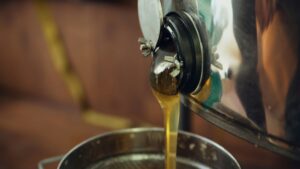
Used cooking oil is another piece of the sanitation puzzle that can either run smoothly or cause stress. When storage areas are messy or containers are not suited for the volume you produce, oil can spill, attract pests, and create slip hazards for staff. On top of that, poor disposal habits can lead to fines and extra attention from regulators.
Professional used cooking oil collection helps by:
- Providing secure, stable containers that fit your space
- Setting up regular pickup schedules around your volume and hours
- Reducing spills and leaks in alleys and storage areas
- Supporting proper disposal so you stay in line with local rules
In Los Angeles, busy seasons like spring graduations, summer tourism, and holiday catering can send fryer volume way up. A recycler that focuses on used cooking oil can help you treat that waste stream as another managed part of the kitchen instead of a problem that keeps popping up at the worst times. When pickup plans and storage are thought through, your team has one less thing to worry about.
Plumbing Protection During Peak LA Dining Seasons
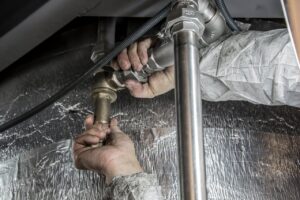
When patio tables fill up and online orders spike, every sink, drain, and dishwasher in your building works harder. Floor drains around the cook line see more runoff. Dishwashers cycle almost nonstop. Prep sinks handle constant rinsing, washing, and dumping. This extra strain can turn a small plumbing issue into a big one.
Proactive plumbing support as part of your restaurant sanitation services can include:
- Hydro jetting to clear grease and food from drain lines
- Regular drain cleaning for dish pits and bar sinks
- Camera inspections to spot cracks, roots, or heavy buildup
By handling these services before things break, you help avoid after-hours emergencies when the room is full and you have a waitlist. Instead of scrambling to find help while staff mop up standing water, you are more likely to catch problems when they are still small. This protects not only your plumbing, but also your reputation, since last-minute cancellations and early closures are hard on guests and teams alike.
Building a Sanitation Partner Strategy for Your Kitchen
Strong restaurant sanitation services work best when they are part of a clear plan, not just a reaction to the latest issue. Choosing the right partner means looking at their experience with commercial kitchens, their knowledge of Los Angeles rules, and their ability to support multiple needs like grease management, oil collection, and plumbing.
When you look for a long-term sanitation partner, it helps to ask about:
- Licensing and permits for grease and waste services
- 24/7 or after-hours support when problems pop up
- Experience with local inspectors and code requirements
- Options for bundled services to cut down on vendor chaos
From there, it makes sense to build a sanitation schedule that matches your concept, volume, and seasons. For example, a high volume fry kitchen may need more frequent grease trap service and oil collection than a smaller cafe. You can break tasks into daily duties for staff, weekly checklists for managers, and monthly or quarterly visits from professionals.
Collaboration is key. When managers, chefs, and service providers talk regularly, sanitation plans can adjust to menu changes, new equipment, and growth in reservations or takeout. That way, your systems develop along with your business, and you are not stuck with a plan that no longer fits how you operate.
Taking Control of Kitchen Sanitation Before Your Next Rush
Strong sanitation support connects to almost every part of a restaurant. It helps protect health scores, reduces the chance of shutdowns, and creates safer conditions for the team that keeps the kitchen moving. Guests might not see every grease trap or floor drain, but they can feel the results in cleaner restrooms, fresh air, and a smoother overall visit.
As spring events build and the next busy stretch approaches, this is a smart time to review your current routines. Look at your grease traps, oil storage, drains, and cleaning habits with a critical eye and note where you see repeat problems or stress. A focused plan with a trusted partner like JR Grease Services can turn those weak spots into strengths that support your kitchen every service, all year long.
Protect Your Kitchen With Reliable Sanitation Support
Keep your restaurant safe, compliant, and running smoothly by partnering with JR Grease Services for comprehensive restaurant sanitation services. We help you prevent backups, reduce foul odors, and meet health code requirements with scheduled cleanings tailored to your kitchen’s needs. Reach out today through our contact us page so we can design a service plan that fits your operation and budget.